
Why is combed cotton worth the extra cost in a sock?
Combing removes the short fibres before spinning, so the yarn runs smoother, the sock resists pilling and the colour stays even after washing.
“Cotton socks” can mean almost anything, and that is the problem
Cotton is the most ordered fiber in the sock aisle and the least specified. The word on the label covers everything from a scratchy carded-cotton tube that goes slack in a week to a combed, ring-spun sock that stays soft for years. For a brand, that ambiguity is a trap: source on price alone and the first wash tells your customer everything, because cheap cotton pills, shrinks, and loses its cuff. The fiber is not the differentiator. The grade and the knit are.
Combed, blended, and knit to last
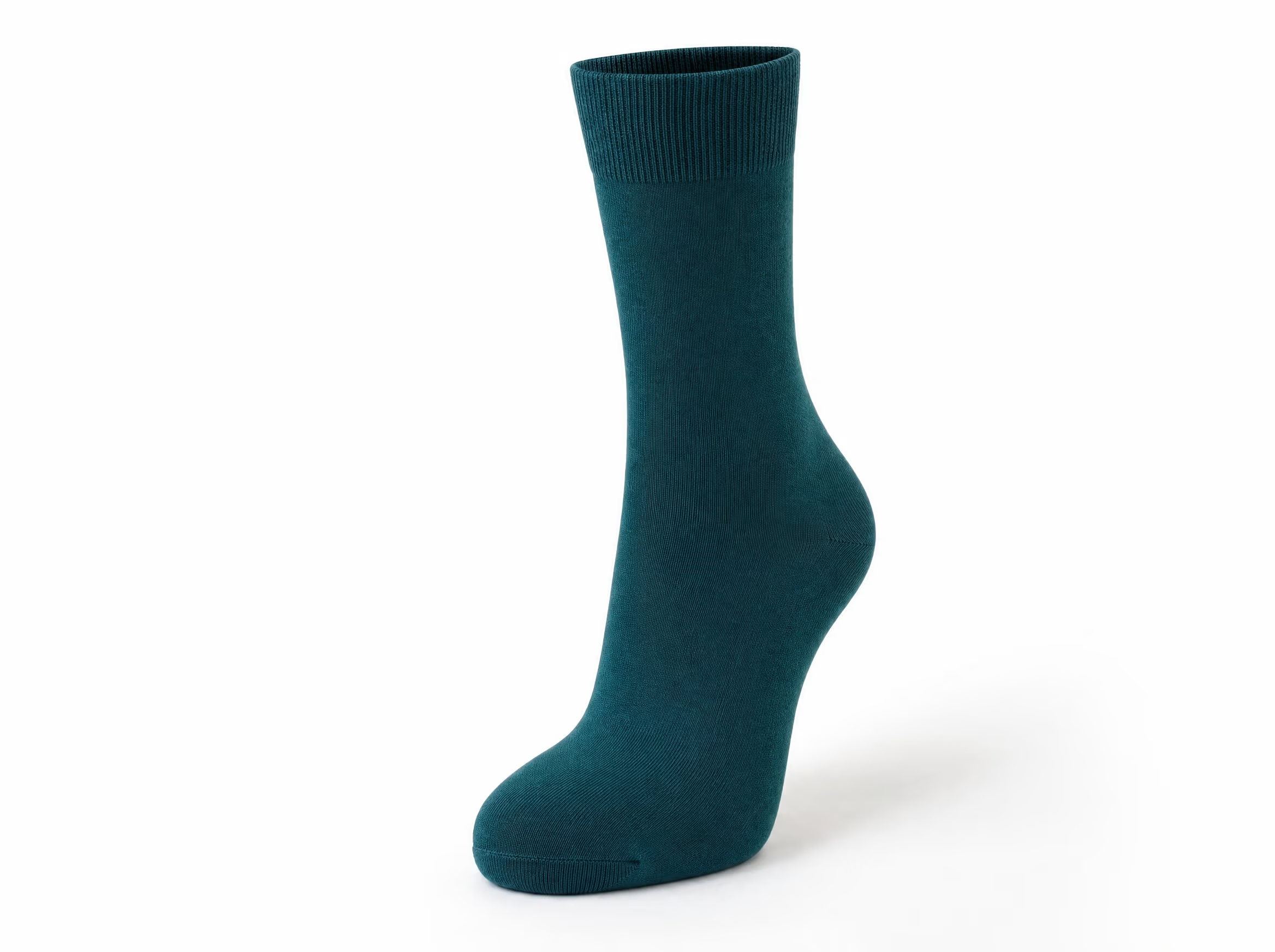
The fix is upstream, in the yarn. We comb the cotton to pull out the short fibers that drive pilling and early wear, spin it for a smoother hand, then knit in a measured amount of polyamide and elastane so the sock grips and springs back instead of sagging. The result keeps the cool, breathable feel buyers expect from cotton without the early wear that gives budget cotton its reputation.
A typical cotton build we knit
- Fiber: 75 to 80% combed cotton, balance polyamide, with 2 to 4% elastane for recovery
- Gauge: 144N or 168N for a fine, smooth surface, with an optional cushioned footbed
- Lengths: no-show, ankle, quarter, crew, and knee-high on the same blend
The everyday workhorse, kept consistent
Cotton is the volume tier, the everyday sock a brand reorders by the thousand, so the number that matters is not the first run but the tenth: does pair 12,000 still match the swatch you signed off? We hold the cotton grade, the blend, and the after-wash measurements against that approved sample and knit every reorder back to it, at one duty-paid landed cost out of Turkiye that keeps a basics line competitive on a shelf where cents decide. Where you want a more sustainable or a softer story on top of that, the organic cotton and bamboo lines pick up from here.