

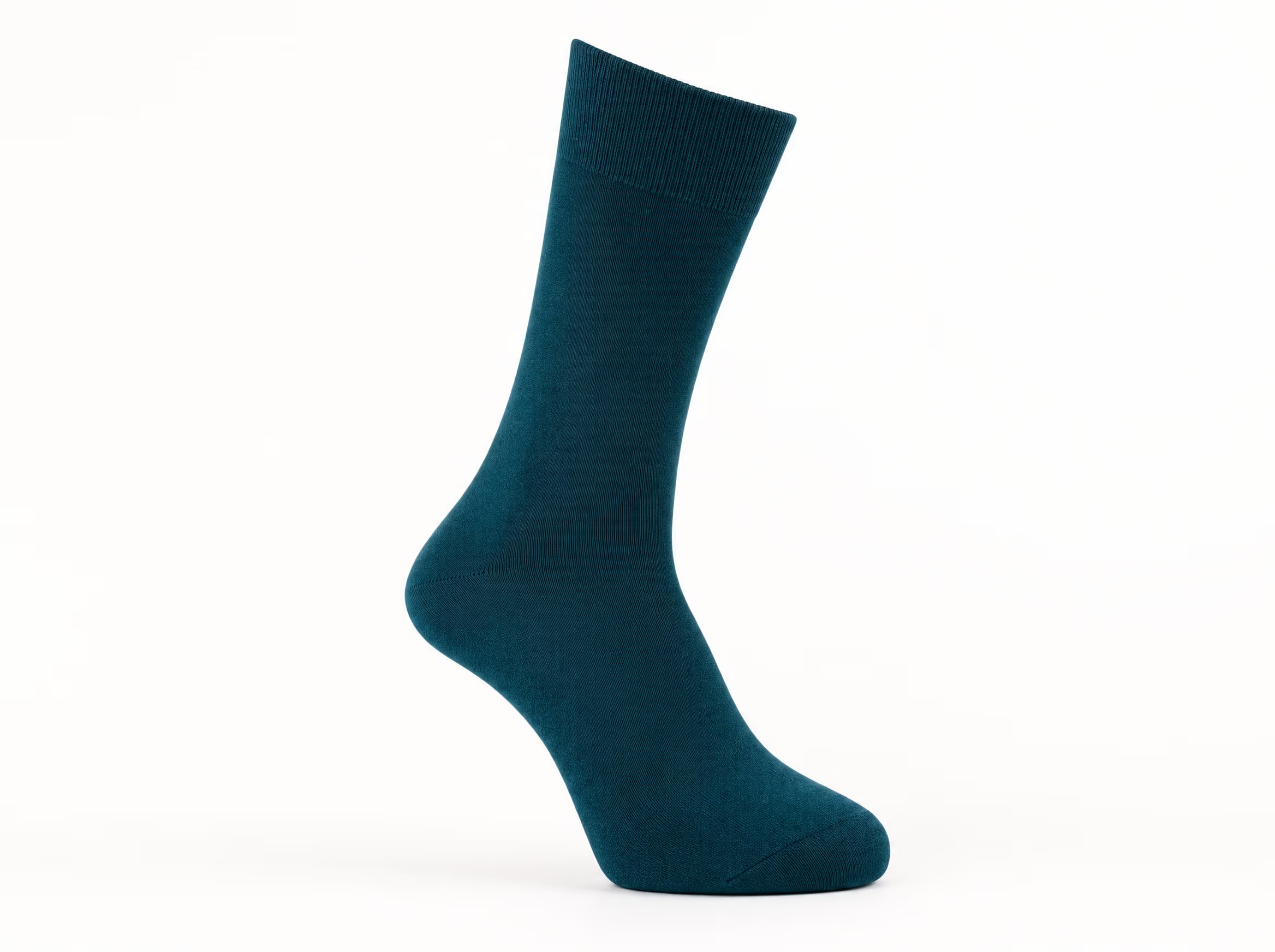
How does Modal compare with cotton in a sock?
Modal is spun from beech pulp, so it stays silkier than cotton, holds dyed colour better and resists the shrinkage that spoils a dress sock.
Modal is the quiet upgrade that makes a dress sock feel expensive
Most premium men’s lines reach a ceiling with cotton. The fit is fine, the color is fine, but the hand never quite reads luxury, and after a season the blacks have gone gray and the cuff has loosened. Modal is the fiber that breaks that ceiling. Spun from beech pulp and finer than cotton, it gives a smooth, almost satin surface, holds deep color without fading, and shrinks far less, so the sock that felt premium in the box still feels premium after twenty washes. The trade-off is the one every soft cellulosic shares: on its own it is weak, so the make has to give it a backbone.
Blended fine, finished smooth
Modal earns its place only if the make gives it a backbone. We knit the modal for the surface and blend in combed cotton or polyamide for body, with a measured percentage of elastane for fit, so the sock keeps its silky hand and color retention while standing up to real wear. For the top of a range, micro-modal spins the fiber finer still, for a lighter, smoother sock. The blend, the gauge, and the length are set to your positioning at sampling.
A typical modal build we knit
- Fiber: modal or micro-modal led, blended with combed cotton or polyamide, 2 to 4% elastane
- Gauge: fine 168N or 200N for a smooth, lightweight dress hand
- Lengths: no-show, ankle, crew, and over-the-calf dress, on the same blend
A flagship fiber, not a value filler
Modal is deliberately a premium pick, the fiber a brand reaches for to lift a flagship dress or gift sock above its cotton range, so it belongs on the line that carries a margin rather than the multipack that does not. Against the other soft fibers it reads crisper and more color-fast than bamboo and a clear tier above standard cotton. Knit in Turkiye and shipped on one duty-paid landed price, even a premium modal range lands at a workable cost.