

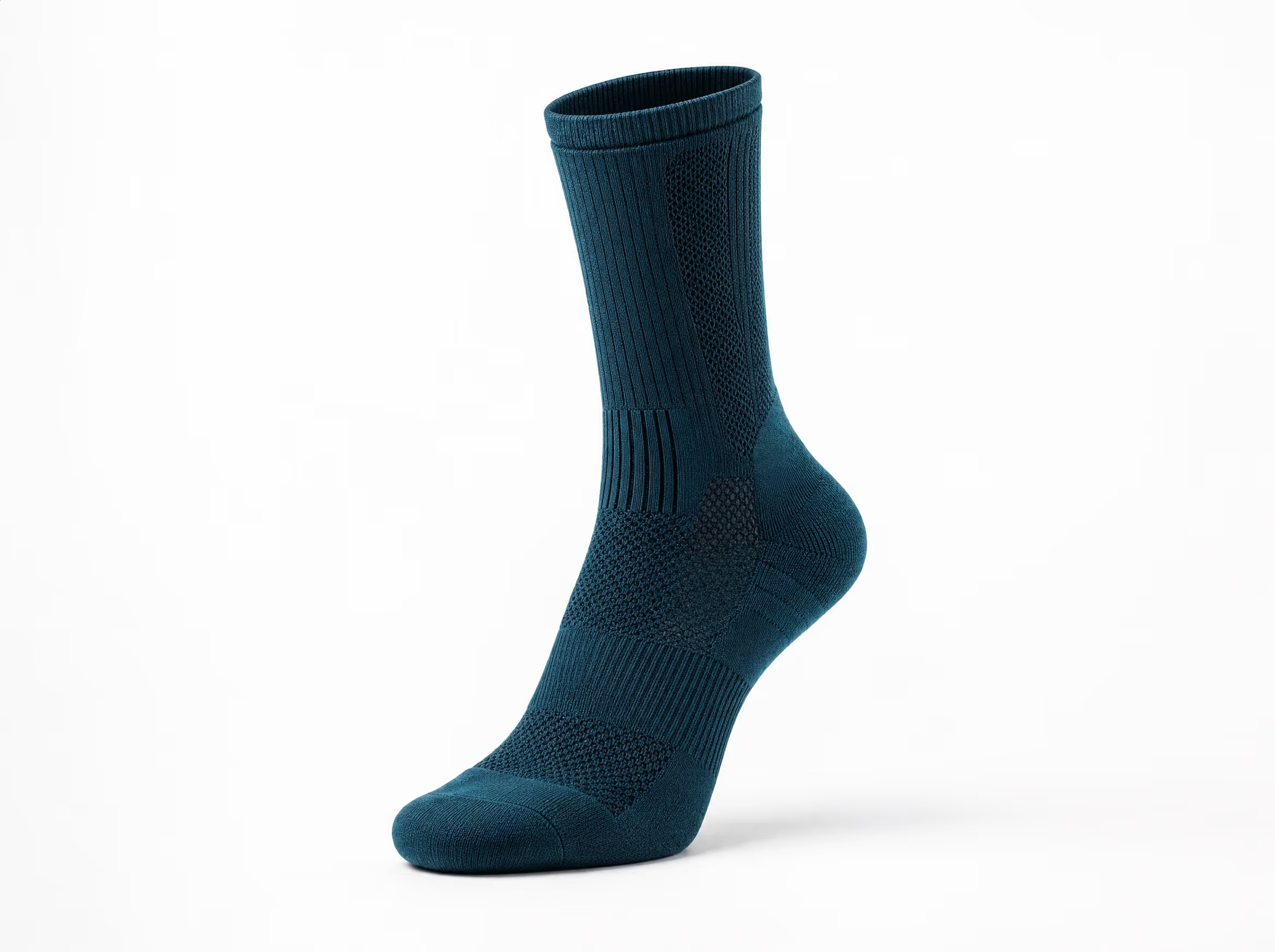
What is an engineered performance yarn?
It is a built blend: polyester moves moisture, nylon takes abrasion and spandex holds the fit, each placed in the zone that needs it most.
In performance socks, the yarn is the product
Athletes have a saying about cotton: cotton kills. In a performance sock it is close to literal, because cotton absorbs sweat and holds it against the skin, and a wet foot is a blistered, cold, miserable foot. That is why the buyer for a sport line does not search for a fiber, they search for a property: moisture-wicking. The sock that wins the category is not made of one clever material, it is engineered from several, each doing one job, knit into zones that match the foot. Get the yarn menu and the zoning right and the sock performs; get it wrong and no amount of branding saves it.
A yarn toolkit, not a single fiber
The build starts from a menu, not a default fiber. Wicking polyester and nylon form the moisture-moving base; spandex adds the stretch and compression that hold the sock to the foot; thermal yarns add warmth for cold-weather sport; antimicrobial and silver-treated yarns handle odor control. We then knit those yarns into a zoned structure, cushioning underfoot, mesh ventilation over the instep, compression at the arch, reinforcement at the heel and toe.
Performance yarns we knit
- Wicking base: moisture-wicking polyester and nylon for dry, fast-drying wear
- Stretch and hold: spandex and elastane for compression and recovery
- Climate: insulating thermal yarns for cold, antimicrobial yarns for odor control
- Branded yarns where you hold or arrange the licensing
One base, tuned to each sport
A ski sock, a running sock, and a cycling sock are three different yarn maps, not one sock in three colors, so the toolkit gets re-tuned for each. The same engineered base underpins our dedicated ski, cycling, athletic, and compression lines, each with its own cushion, ventilation, and compression map. Production runs out of Turkiye and lands duty-paid on one price, which keeps a technical program priced for a competitive shelf.