
What makes a cotton sock certified organic?
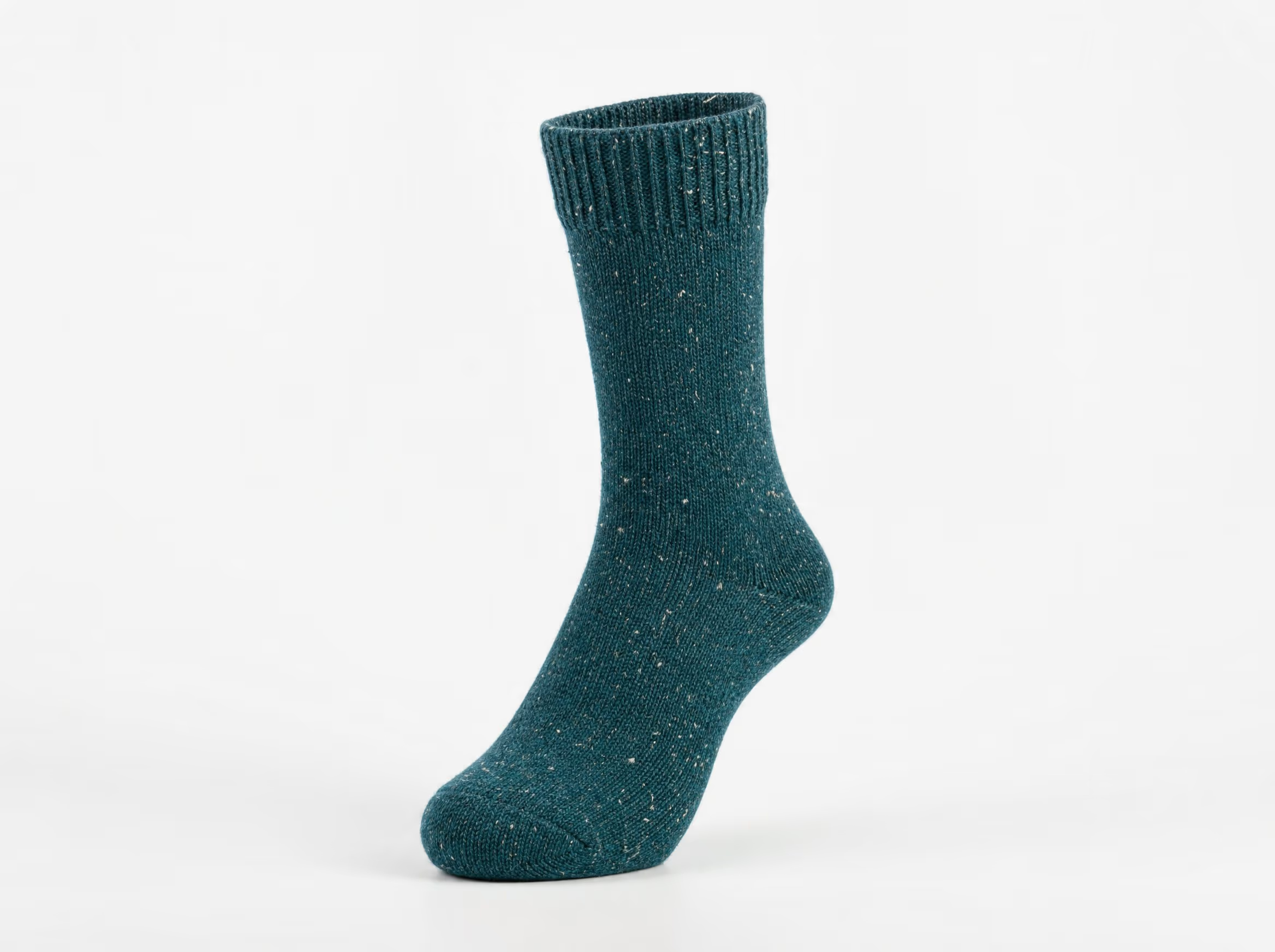
The fibre is grown without synthetic pesticides and tracked through spinning and knitting, so the finished sock can carry a real audit trail.
With organic cotton, the claim is the product
A conventional cotton sock is judged on feel. An organic cotton sock is judged on proof. The moment a brand prints “organic” on the packaging, the fiber stops being a comfort choice and becomes a compliance one: an unbacked organic claim is the kind of thing retailers delist and regulators fine over. Buyers in this category, and they skew heavily toward baby, newborn, and sensitive-skin lines, are paying for a clean supply chain they can stand behind. Get the certification wrong and the softest sock in the range is still a liability.
A supply chain you can document
Proof starts at sourcing, so that is where the work goes. We buy organic cotton through certified channels and can hand you Global Organic Textile Standard and Organic Content Standard documentation where the blend qualifies, then pair the fiber with recycled-content stretch yarns and low-impact or OEKO-TEX certified dyes so the claim holds from raw fiber to finished dye lot. The on-pack story stays yours; the paperwork that lets you defend it comes with the make.
Where organic cotton sells hardest
- Baby and newborn: soft, low-bulk cuffs, no harsh seams, full newborn-to-kids size grids
- Sensitive-skin and wellness: clean processing, undyed or low-impact dyed options
- Premium natural-living: a credible eco-narrative backed by real certification
Where organic differs from plain cotton
The difference a buyer pays for here is not in the hand, it is in the documentation, so we settle it before bulk: fiber content, certification scope, and the exact wording you can legally print are signed off on the sample, not discovered at the dock. Made in Turkiye and delivered duty-paid on one landed price, which is what keeps a certified line within reach of a mainstream price rather than a boutique one. If the brief is softness or value rather than a certified claim, the standard cotton line is the better fit.